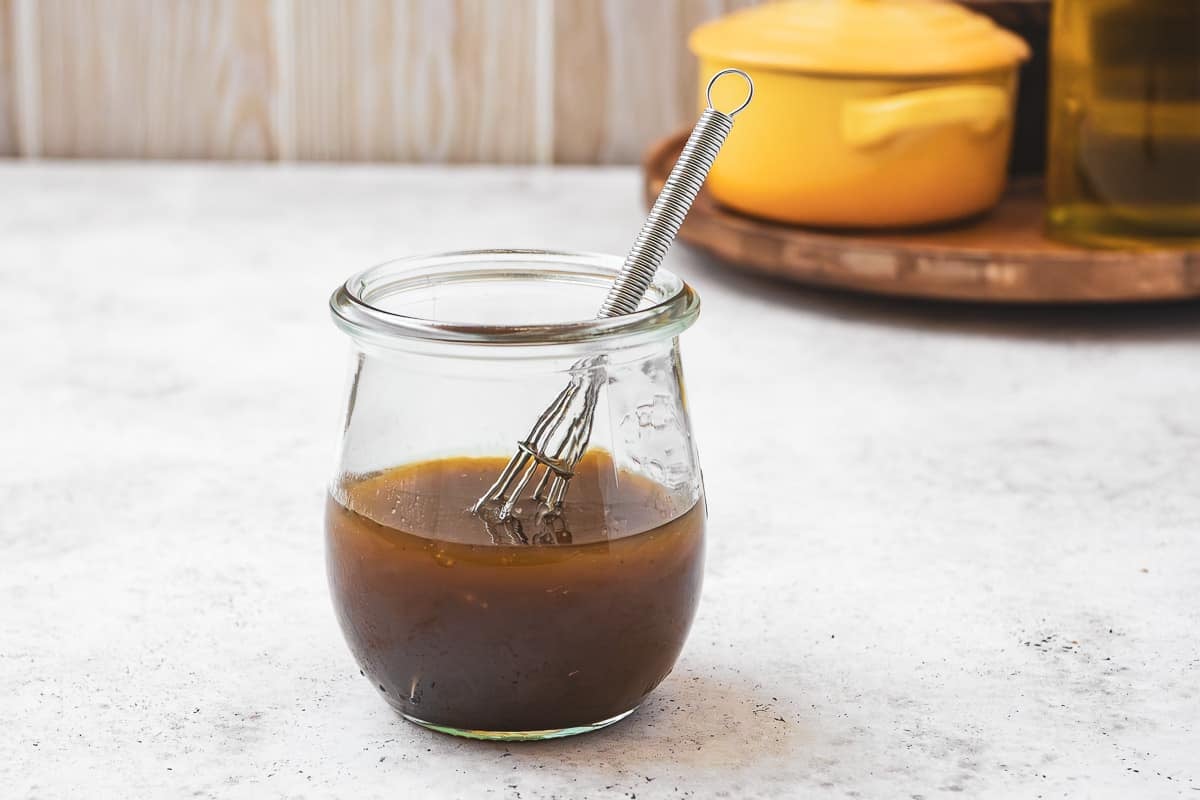
Tired of reaching for that bottle of store-bought salad dressing only to be met with disappointment? Many commercial balsamic vinaigrettes fall short, often tasting too watery, excessively sweet, or overly salty, loaded with preservatives and artificial ingredients. If you've been on a quest for a dressing that truly elevates your greens and other dishes, look no further. Crafting your own homemade balsamic vinaigrette is not only incredibly simple but promises a depth of flavor and freshness that a store-bought option simply can't match.
Imagine a dressing that's bright, perfectly balanced between sweet and tart, with a subtle punch from mustard and a hint of garlic. This isn't just a fantasy; it's the reality of a homemade balsamic vinaigrette. In mere minutes, you can whip up a batch that will revolutionize your salads, making healthy eating not just easy, but genuinely enjoyable. Once you experience the superior taste and control of homemade, you'll likely never return to the bottled alternatives.
Why Homemade Balsamic Vinaigrette Reigns Supreme
The allure of homemade salad dressing, particularly a classic like balsamic vinaigrette, lies in its unparalleled freshness and customizability. Store-bought versions, while convenient, often compromise on quality and flavor. They frequently contain high-fructose corn syrup, unhealthy oils, and a slew of stabilizers and preservatives designed for shelf life rather than taste. The result is often a thin, cloying, or unbalanced dressing that does little to enhance your meal.
When you make your own balsamic vinaigrette, you gain complete control over every ingredient. You choose the quality of your balsamic vinegar, opt for a premium extra virgin olive oil, and decide on the exact balance of sweetness, acidity, and savory notes. This control isn't just about taste; it's about health too. By avoiding unnecessary additives, you're serving yourself and your family a cleaner, more wholesome option. Furthermore, the vibrant, complex flavors of fresh ingredients like minced garlic, good quality mustard, and a touch of honey or maple syrup truly shine through, transforming a simple bowl of greens into a gourmet experience. It's this simple act of creation that turns a mundane salad into a meal you actually look forward to.
The Simple Ingredients for an Unforgettable Balsamic Vinaigrette
The beauty of a classic balsamic vinaigrette lies in its short and humble ingredient list. Each component plays a vital role, contributing to the dressing's iconic sweet-tart profile and its ability to emulsify into a smooth, creamy texture. Understanding these core ingredients is key to perfecting your homemade dressing.
Balsamic Vinegar: The Star of the Show
This is where the magic begins. Balsamic vinegar, originating from Italy, is known for its distinct sweet and tart flavor profile, and a lovely complexity that deepens with age. While true Traditional Balsamic Vinegar (Aceto Balsamico Tradizionale), aged for decades and bearing DOP certification, can be incredibly expensive (upwards of $400 a bottle!), you don't need to break the bank. For everyday use, look for balsamic vinegar with an IGP (Indicazione Geografica Protetta) seal. These are typically more affordable, widely available in grocery stores, and offer a good balance of flavor. A thicker, more syrupy balsamic will generally yield a richer, more flavorful vinaigrette than a very thin, watery one. Opt for one with "grape must" as the first ingredient, rather than wine vinegar, for a more authentic taste.
Olive Oil: The Smooth Operator
Extra virgin olive oil (EVOO) is the preferred choice for vinaigrettes due to its fruity, peppery notes and numerous health benefits. It provides the richness and body to the dressing, balancing the acidity of the vinegar. Choose a good quality EVOO that you enjoy the taste of on its own, as its flavor will be prominent in the finished vinaigrette. The ratio of oil to vinegar is usually 3:1 or 2:1, but you can adjust it to your personal preference for a tangier or milder dressing.
Dijon Mustard: The Emulsifier & Flavor Booster
A spoonful of Dijon mustard is a secret weapon in balsamic vinaigrette. Beyond its pleasant tangy and slightly spicy flavor, Dijon contains natural emulsifiers that help prevent the oil and vinegar from separating. This creates a beautifully smooth and creamy dressing that clings perfectly to your salad leaves. If you don't have Dijon, a stone-ground mustard can work, but avoid brightly colored yellow mustards which often contain turmeric and can overpower the delicate balsamic flavor.
Garlic: The Aromatic Punch
Freshly minced garlic adds an irresistible aromatic depth to your vinaigrette. Just a small clove can transform the flavor profile, adding a welcome savory note that complements the sweetness of the balsamic. For a milder garlic flavor, you can use garlic powder, but fresh is always recommended for the best taste.
Sweetener: Balancing the Tang (Optional but Recommended)
While balsamic vinegar has a natural sweetness, a touch of additional sweetener can perfectly balance its acidity, especially if your vinegar is on the tangier side. Honey is a classic choice, lending a subtle floral note and helping with emulsification. Maple syrup offers a vegan alternative with a delightful earthy sweetness, while a pinch of granulated sugar or brown sugar also works beautifully. Start with a small amount and adjust to your taste.
Salt and Freshly Ground Black Pepper: The Essentials
These seasonings are crucial for bringing all the flavors together. Salt enhances the sweetness and acidity, while black pepper adds a subtle warmth and bite. Always taste and adjust these to your liking.
Optional Flavor Enhancers:
- Shallots: Finely minced shallots offer a milder, sweeter onion flavor than raw red onion, adding another layer of complexity.
- Fresh Herbs: Chopped fresh herbs like oregano, basil, thyme, or rosemary can infuse your vinaigrette with garden-fresh aromas.
- Red Pepper Flakes: For a touch of heat, a pinch of red pepper flakes can be a delightful addition.
Crafting Your Perfect Vinaigrette: A Two-Step Masterclass
The incredible ease of making homemade balsamic vinaigrette is one of its biggest selling points. Forget complicated techniques; this recipe truly comes together in minutes with just a couple of simple steps. It's an ideal choice for busy weeknights when you need to get a healthy meal on the table fast, whether it's after errands, soccer practice, or helping with homework.
Step 1: Combine the Core Flavors
In a medium bowl, combine your balsamic vinegar, Dijon mustard, minced garlic, sweetener (if using), salt, and freshly ground black pepper. Whisk these ingredients together vigorously until they are well combined and the salt has dissolved. This initial mixing helps to evenly distribute the intense flavors before the oil is added. If you're using minced shallots or dried herbs, add them in this step as well.
Step 2: Emulsify with Olive Oil
This is where the magic happens, turning disparate liquids into a cohesive, creamy dressing. While continuously whisking, slowly drizzle in the extra virgin olive oil in a steady, thin stream. The key here is patience and persistence. The mustard acts as an emulsifier, helping the oil and vinegar (which naturally want to separate) to bond together into a stable mixture. Continue whisking until the dressing thickens slightly and appears creamy and homogenous. If you prefer a hands-off approach, you can also combine all ingredients in a jar with a tight-fitting lid and shake vigorously until emulsified. For more detailed instructions on achieving that perfect emulsion, you might find Transform Your Meals: Making Balsamic Vinaigrette in Two Simple Steps to be a helpful guide.
Once emulsified, taste your vinaigrette and adjust seasonings as needed. Does it need more salt to brighten the flavors? A touch more sweetness to balance the tang? Perhaps another grind of pepper? This is your dressing, so make it perfect for your palate!
Beyond the Salad Bowl: Versatile Uses for Your Balsamic Vinaigrette
While balsamic vinaigrette is undeniably a classic salad dressing, its utility extends far beyond just leafy greens. Its dynamic sweet-tart flavor profile makes it an incredibly versatile condiment that can elevate a wide array of dishes, transforming everyday meals into something special. Once you have a batch ready, you'll find countless ways to incorporate it into your cooking.
Elevating Salads
Of course, its primary role is on salads, but don't limit yourself to simple garden salads. Drizzle it over a vibrant Caprese salad with fresh mozzarella, tomatoes, and basil. Toss it with a hearty quinoa side salad for a light lunch or dinner accompaniment. It's fantastic with pasta salads, lending a bright tang to a mix of vegetables and pasta shapes. Even a simple green bean salad benefits from its punchy flavor, transforming humble vegetables into a memorable side dish.
Dynamic Marinade
The acidity of balsamic vinegar makes this vinaigrette an excellent marinade. It tenderizes meats and infuses them with rich flavor. Use it to marinate chicken breasts, pork tenderloin, steak, or even firm tofu before grilling, baking, or pan-searing. The garlic, mustard, and herbs (if added) will impart a delicious savory base, while the balsamic creates a beautiful caramelization.
Flavorful Drizzle
Think of your homemade balsamic vinaigrette as a finishing sauce. Drizzle it generously over roasted vegetables like asparagus, Brussels sprouts, or bell peppers just out of the oven. It adds a burst of brightness that complements their caramelized sweetness. It's also exquisite drizzled over grilled fish, bruschetta, or even fresh fruits like strawberries or melon for an unexpected sweet and savory twist. Try it on avocado toast for an extra layer of flavor.
Bread Dipper
Serve a small bowl of your homemade balsamic vinaigrette alongside some crusty bread as an elegant appetizer. The rich olive oil and tangy balsamic create a more flavorful alternative to plain olive oil and vinegar.
Storing Your Homemade Balsamic Vinaigrette
One of the many advantages of making your own balsamic vinaigrette is the ability to prepare it ahead of time. This makes meal prep a breeze and ensures you always have a delicious dressing on hand. Proper storage is key to maintaining its freshness and flavor.
Store your homemade balsamic vinaigrette in an airtight container, such as a glass jar with a tight-fitting lid, in the refrigerator. Due to the fresh garlic and lack of preservatives, it's best consumed within 7-10 days. As it sits in the fridge, the oil and vinegar will naturally separate – this is completely normal and expected. Before each use, simply give the jar a vigorous shake to re-emulsify the dressing. If the olive oil solidifies slightly in the cold, let it sit at room temperature for 10-15 minutes or run the jar under warm water for a moment, then shake well until it returns to its smooth consistency.
Conclusion
Stepping into the world of homemade salad dressings, starting with an easy balsamic vinaigrette, is a culinary game-changer. It’s an effortless way to inject fresh, vibrant flavor and wholesome ingredients into your diet. Ditch the mediocre store-bought options and embrace the simplicity, superior taste, and incredible versatility that comes from whisking up your own. In just minutes, you’ll create a dressing that not only makes eating greens easier but elevates every dish it touches, proving that sometimes, the best flavors truly are the easiest to make.
