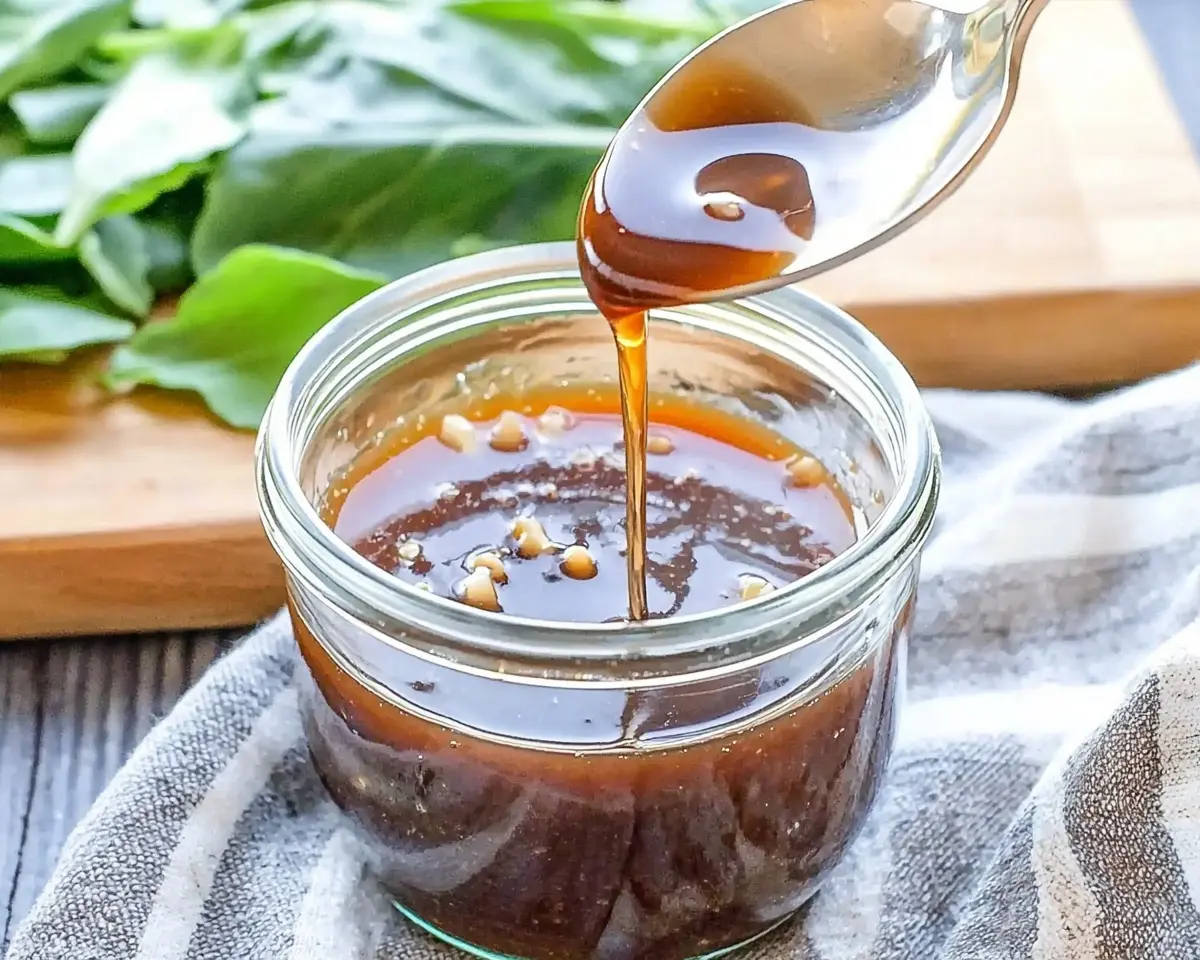
The Ultimate Balsamic Vinaigrette: Your Go-To for Flavorful Meals
There's a universally acknowledged truth among food lovers: a truly exceptional dressing can elevate even the simplest ingredients into a culinary delight. And when it comes to versatile, crowd-pleasing options, homemade
balsamic vinaigrette stands in a league of its own. Forget the often-disappointing store-bought versions that can be too watery, overly sweet, or excessively salty, robbing your greens of their potential. Crafting your own vibrant, balanced balsamic vinaigrette at home is not just surprisingly simple; it’s a revelation that promises to transform your daily meals.
Many of us have experienced the frustration of investing in a bottle of store-bought dressing, only to find it lacks the bright, tangy punch or the nuanced sweetness we crave. The secret? Taking control of the ingredients and proportions yourself. A homemade
balsamic vinaigrette delivers on all fronts: it's perfectly balanced, fresh, and deeply satisfying. This classic dressing is so quick to prepare that it's the ideal solution for busy weeknights, making it easier than ever to enjoy healthy, delicious salads, even after a long day of errands, practices, and homework. Once you experience the superior taste and ease of a DIY balsamic vinaigrette, you'll wonder why you ever settled for anything less.
Why Homemade Balsamic Vinaigrette is a Game Changer
The allure of homemade
balsamic vinaigrette isn't just about saving a few dollars; it's about unparalleled quality and control. Store-bought dressings often contain a laundry list of less-than-ideal ingredients: artificial flavors, high-fructose corn syrup, unhealthy vegetable oils, and excessive preservatives. These additions can mask the natural flavors of your salad and contribute to a less wholesome eating experience.
When you make your own, you dictate every component, ensuring freshness and flavor. You can choose high-quality extra virgin olive oil, premium balsamic vinegar, and fresh aromatics, all without unwanted additives. This level of control means you can tailor the dressing precisely to your palate, achieving the perfect balance of sweet, tart, and savory notes that mass-produced options simply can't match.
Moreover, the process itself is incredibly rewarding. The transformation of a few simple ingredients into a creamy, emulsified dressing in mere minutes feels like a small culinary triumph. It encourages you to experiment and become more confident in the kitchen. For a detailed guide on how to whip up this essential dressing, check out our article on
Easy Homemade Balsamic Vinaigrette: Better Flavor in Minutes.
The Essential Ingredients: Crafting Your Perfect Blend
At its heart, a classic
balsamic vinaigrette is a symphony of just a few core ingredients, each playing a crucial role. Understanding these components is key to mastering the dressing.
Balsamic Vinegar: The Star of the Show
True balsamic vinegar hails from Modena or Reggio Emilia, Italy. Traditional balsamic vinegar, aged for years in a series of wooden barrels, is a precious, often costly commodity with a thick, syrupy texture and profound complexity. Most grocery store balsamic vinegars are commercial-grade products, a blend of grape must and wine vinegar, sometimes with added caramel coloring. While not "traditional," these are perfectly suitable for everyday vinaigrettes. Look for labels that mention "Aceto Balsamico di Modena IGP" for a good quality option that balances flavor and affordability. Its inherent sweetness and acidity are what give the vinaigrette its signature character.
Olive Oil: The Smooth Foundation
Extra virgin olive oil (EVOO) is the preferred choice for its fruity notes and health benefits. It provides the smooth body of the dressing and helps to balance the vinegar's acidity. While EVOO is traditional, you can also experiment with other neutral oils like avocado oil or grapeseed oil for a milder flavor profile, especially if you want the balsamic notes to truly shine.
Mustard: The Flavor & Emulsifier
Dijon mustard is an unsung hero in many vinaigrettes. Beyond its pungent flavor contribution, it acts as a natural emulsifier, helping to bind the oil and vinegar together, preventing separation and creating a creamy texture. A good quality Dijon adds a punchy, savory depth that is indispensable.
Sweetener: A Touch of Balance
While balsamic vinegar carries its own sweetness, a touch of additional sweetener can enhance its best qualities and mellow any harsh acidity. Honey, maple syrup, or a pinch of sugar are all excellent choices. Honey not only adds sweetness but also a subtle floral note that complements the balsamic beautifully, as often highlighted in recipes like honey balsamic vinaigrette.
Aromatics & Seasoning: The Supporting Cast
Fresh garlic, minced or pressed, adds a vibrant, piquant kick. Finely minced shallots offer a more subtle, delicate onion flavor compared to regular onions. Salt and freshly ground black pepper are non-negotiable for seasoning, bringing all the flavors into harmony.
Beyond the Basics: Customizing Your Balsamic Vinaigrette
The beauty of homemade
balsamic vinaigrette lies in its infinite customizability. Once you have the basic recipe down (often just two simple steps!), you can easily adjust additions and proportions to suit your personal preferences or the specific dish you're pairing it with. This adaptability is what makes it truly an ultimate dressing.
Here are some ideas to spark your creativity:
*
Herbal Infusion: Add finely chopped fresh herbs like rosemary, thyme, oregano, basil, or chives for an aromatic boost. Dried herbs can also work, just use them sparingly.
*
Spicy Kick: A pinch of red pepper flakes or a dash of hot sauce can introduce a pleasant warmth.
*
Citrus Zest: Grated lemon or orange zest can add a bright, fragrant lift, especially lovely in spring or summer salads.
*
Creamier Texture: For a richer, slightly creamier dressing, whisk in a tablespoon of plain Greek yogurt, tahini, or even a touch of mayonnaise.
*
Fruity Flair: Muddle a few fresh berries (strawberries, raspberries) into the vinegar before whisking, or add a spoonful of fig jam for a more sophisticated sweetness.
*
Smoky Notes: A tiny pinch of smoked paprika can add an unexpected depth, particularly good for roasted vegetable salads.
*
Nutty undertones: Replace a portion of the olive oil with walnut oil or hazelnut oil for a distinct nutty aroma.
Don't be afraid to taste and adjust as you go. A good vinaigrette is a dynamic creation. Too tart? Add more oil or a touch more sweetener. Too bland? A squeeze of fresh lemon juice, more salt, or a bolder vinegar can perk it up. This hands-on approach is incredibly empowering and ensures you always have the perfect dressing for your meal. Many home cooks discover the joy of this simple process, finding that making
Balsamic Vinaigrette in Two Simple Steps is a game-changer for their kitchen routine.
More Than Just Salad: Versatile Uses for Your Vinaigrette
While
balsamic vinaigrette is undeniably a classic salad dressing, its versatility extends far beyond the confines of a leafy green bowl. Its sweet, tart, and complex flavor profile makes it an incredibly useful condiment in countless culinary applications.
*
Marinade Maestro: Use it as a flavorful marinade for chicken, fish, pork, or tofu. The acidity in the vinegar helps to tenderize proteins, while the oil and seasonings infuse them with delicious flavor before grilling, roasting, or pan-searing.
*
Roasted Vegetable Enhancer: Drizzle your homemade balsamic vinaigrette over roasted vegetables like asparagus, Brussels sprouts, broccoli, or bell peppers before or after cooking. It caramelizes beautifully and adds a vibrant finish.
*
Pasta & Grain Salad Dressing: It's exceptional with pasta salads, quinoa salads, or farro salads, especially those featuring Mediterranean flavors, roasted vegetables, or feta cheese.
*
Fruit Pairing: Believe it or not, a light drizzle over fresh fruits like sliced strawberries, peaches, or melon can create an unexpected and delightful sweet-savory experience.
*
Bread Dipper: Serve it alongside crusty bread as an elegant appetizer, perhaps with a sprinkle of Parmesan cheese and fresh herbs.
*
Sandwich & Wrap Spread: A spoonful can replace heavier mayonnaise-based spreads, adding brightness and depth to sandwiches, wraps, or even bruschetta.
*
Finishing Drizzle: Use it as a finishing sauce for grilled meats or fish, or even over a creamy burrata or fresh mozzarella salad.
Having a batch of this wonderful dressing in your fridge truly unlocks a world of flavor possibilities, making it easier to create exciting and healthy meals.
Tips for Success: Mastering Your Homemade Balsamic Vinaigrette
Making
balsamic vinaigrette is simple, but a few expert tips can elevate your results from good to exceptional.
*
The Right Ratio: A common starting point for vinaigrettes is a 3:1 ratio of oil to vinegar. However, balsamic vinegar is naturally sweeter and milder than other vinegars, so you might prefer a 2:1 ratio for a more pronounced tartness, or even closer to 1:1 if you love a very tangy dressing. Don't be afraid to experiment!
*
Emulsification Techniques:
*
Whisk Method: In a medium bowl, whisk together the vinegar, mustard, garlic, shallots (if using), sweetener, salt, and pepper. Slowly drizzle in the olive oil while continuously whisking until the mixture is thick and creamy.
*
Jar Method: Combine all ingredients (except oil initially) in a jar with a tight-fitting lid. Add the oil, secure the lid, and shake vigorously until emulsified. This is perfect for quick prep and storage.
*
Blender/Food Processor: For the creamiest, most stable emulsion, combine all ingredients except the oil in a blender or food processor. With the motor running, slowly stream in the oil until thickened.
*
Taste and Adjust: Always taste your vinaigrette before serving. Does it need more salt? More sweetness? A bit more tang? Adjust seasonings and proportions until it’s perfect for your palate.
*
Storage: Store your homemade balsamic vinaigrette in an airtight container or a jar with a lid in the refrigerator. It typically keeps well for about 1-2 weeks.
*
Serve at Room Temperature: Olive oil can solidify when cold. For the best flavor and consistency, take your vinaigrette out of the fridge about 15-20 minutes before serving and give it a good shake or whisk to re-emulsify.
Mastering these simple steps means you'll never settle for a mediocre dressing again. The ultimate balsamic vinaigrette is not just a recipe; it's a foundation for countless delicious meals.
Conclusion
Embracing the art of making your own
balsamic vinaigrette is one of the easiest yet most impactful culinary skills you can acquire. It liberates you from the limitations of store-bought options, putting you in control of flavor, quality, and ingredients. With just a handful of pantry staples and a few minutes of effort, you can create a vibrant, versatile dressing that elevates everything from simple salads to grilled proteins and roasted vegetables. The robust sweetness of balsamic vinegar, the savory kick of mustard, and the freshness of quality oil come together in a harmonious blend that is both elegant and approachable. So, take the leap, experiment with your own variations, and discover the unmatched satisfaction of this ultimate homemade dressing. Your taste buds, and your meals, will thank you.